
Parenting: How to keep a child occupied without becoming an entertainer
Hi, it’s Manon. To keep a child occupied without becoming their entertainer, offer two simple choices, get the game started with them for a few minutes, then let them carry on in their own way. The goal isn’t to fill every moment, but to establish routines and easy ideas they can return to. Boredom can open the door to free play, creativity and independence: you don’t need to plan a full schedule.
Things to do right now
- Notice whether your child needs to move, concentrate or share some time with you.
- Offer two specific activities rather than asking the open-ended question, “What do you want to do?”
- Bring out just a few things: cardboard boxes, pencils, cushions or figurines.
- Get started with them, then gradually step away, letting them know when you’ll be back.
- Alternate an active period with some quiet time, without trying to fill the whole day.
To mix things up without adding lots of preparation, browse these simple activities to do at home or keep these tips in mind for playing with your child without becoming their entertainer.
Keep a child occupied without taking charge of every minute
When a child says, “I’m bored,” they aren’t always asking to be entertained. They may need a little help getting started, then some space to make up what happens next. As a simple saying goes: “Sometimes play begins when the adult steps back.”
Before suggesting an activity, consider three things: their energy level, their willingness to concentrate and their need for connection. A child running around probably doesn’t need a coloring page just yet; a few minutes of movement may help them settle down.
One rainy afternoon, an impromptu treasure hunt for a favorite stuffed toy got the game going again after several refusals. Three clues were enough; the child then hid the toy in turn and came up with their own rules.
Choose an activity based on age, energy and time available
This quick table helps you decide without searching for the perfect idea. The durations are only suggestions: they vary depending on the child and the situation.
| Suggested age | Current energy level | Possible duration | Easy activity to get started |
|---|---|---|---|
| 2 to 5 years | Calm | 10 to 20 minutes | Transfer dry pasta between bowls, with supervision |
| 3 to 6 years | High | 10 to 15 minutes | Follow a course made of cushions on the floor |
| 6 to 8 years | Moderate | 15 to 30 minutes | Build a fort with sheets and chairs |
| 6 to 10 years | Calm | 15 to 25 minutes | Work on a puzzle together or make up a story |
| 9 to 12 years | Moderate | 20 to 30 minutes | Create a treasure hunt with three clues |
| All ages | Variable | 10 to 30 minutes | Make a simple recipe together |
At home, a box of reusable materials may be all you need: cardboard, tubes, paper, markers and fabric scraps. Your child can transform the objects using their imagination; your main role is to check that the materials are age-appropriate and make the space safe.
Three steps to get independent activities started
- Step 1: Identify what they need in the moment. If they’re fidgeting and getting frustrated, start with a movement activity; if they seem ready, suggest building something or telling a story.
- Step 2: Offer two specific choices and get the materials ready with them. “Would you rather draw a map or build a garage?” is more helpful than “Find something to do.”
- Step 3: Stay for a few minutes to get the game going, then let them know you’re going to do something else and will be back. This transition supports their independence without expecting them to manage on their own all at once.
If your child has lots of energy, start with a game of freeze dance or a little obstacle course, then move on to something more relaxing. If your child wants you nearby, share a short playtime before letting them invent part of the story.
Simple ideas that require little preparation
- Make a fort with sheets or create a theater using a cardboard box.
- Set up a hunt for red objects or a search for five hidden toys.
- Make up a story together, with each person adding a sentence.
- Play musical statues, charades or animal imitation games.
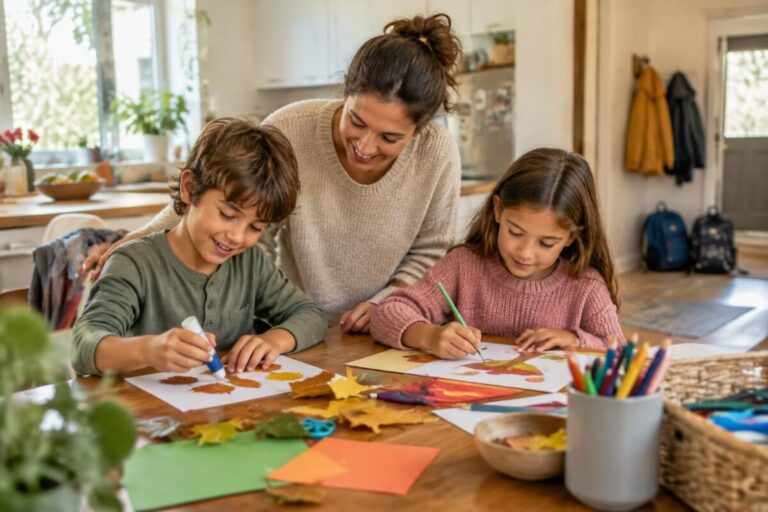
- Suggest free drawing, sock puppets or a paper collage.
- Turn an everyday task into a mission: mix the batter, sort the socks or bring over the ingredients.
These ideas don’t require constant entertainment. An activity can last ten minutes, change into something else or come to an end: that’s not a failure; it’s also a way for your child to explore what they enjoy.
Keep a balance between playing together and being bored
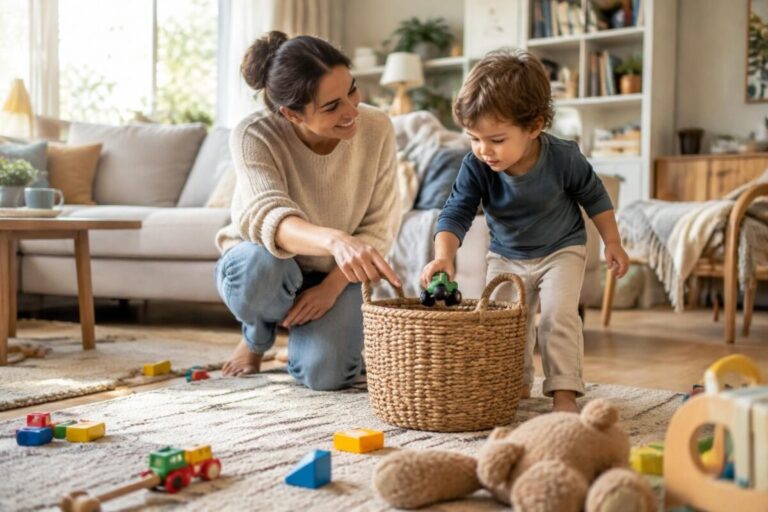
Independent activities develop gradually. If your child finds it hard to play alone, start with some time playing together, then stay nearby without directing every move. A less cluttered space and a few familiar suggestions often make it easier to get started.
There’s no need to ban screens or feel guilty when the day doesn’t go as planned. In general, alternating movement, creativity and breaks can help you get through longer stretches; a few moments of attentive presence also matter in everyday parenting.
Frequently asked questions about keeping children occupied
How can I keep a child who doesn’t know how to play alone occupied?
Start by playing with them for a few minutes with a familiar activity. Then let them know you’ll be away briefly and come back as promised; independence develops gradually, without expecting them to stay alone for a long time right from the start.
What can I suggest for a very energetic child at home?
Choose a simple movement game: freeze dance, a cushion obstacle course or animal imitation. Clear the floor, move fragile objects out of the way, and then suggest a calmer activity if your child is ready.
Should I always respond when a child says they’re bored?
You can acknowledge what they’ve said without having to provide an activity right away. Offer two options if needed, or give them a little time to come up with an idea: boredom can become a starting point for creativity.
How long should an activity last?
There’s no one set duration. Depending on your child’s age and how interested they are at the time, a game might last a few minutes or half an hour; it’s better to follow their attention than to try to stick to a schedule.
Thanks for your curiosity; Manon